
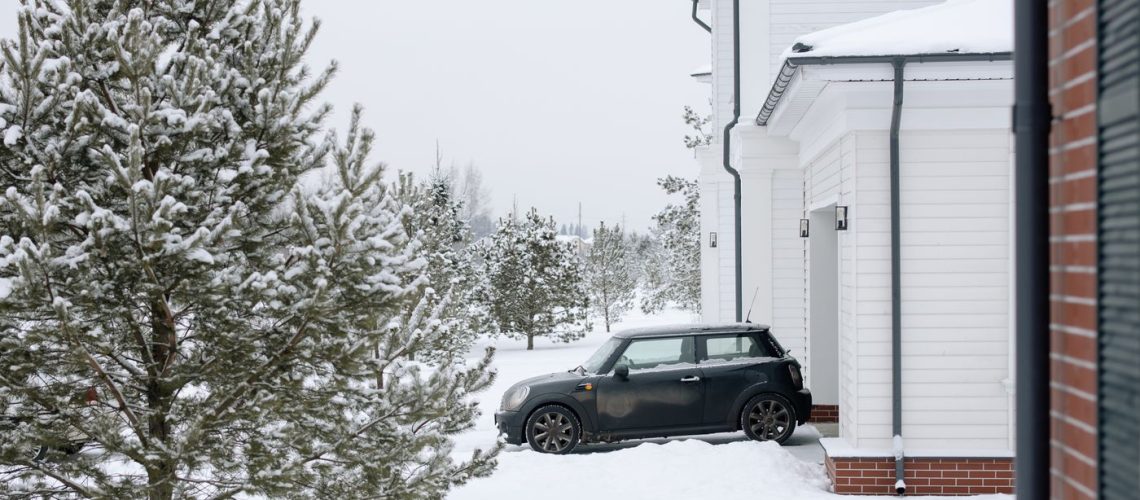
Yes, a garage floor coating in cold weather can be installed successfully, as long as the concrete, the air, and the moisture conditions stay within the range the coating manufacturer specifies. What cold really changes is chemistry. Floor coatings cure through a chemical reaction, and that reaction slows down as temperatures drop. Too cold, and the coating cures slowly, stays soft longer, or does not bond the way it should. The other winter risk is moisture. If the slab is colder than the dew point, a thin film of condensation can form on it, and coating over that film causes cloudy spots and poor adhesion. The good news is that Mid-South winters are mostly mild with occasional hard cold snaps, so many winter days work fine with the right product and a little planning. Memphis Coatings Company installs garage floors year-round across Greater Memphis, and this guide explains what cold does to a coating, which systems handle it best, and how we decide whether a given day is a go.
Table of Contents
- What Cold Does to a Floor Coating
- Slab Temperature Matters More Than Air
- The Dew Point Problem
- Which Coatings Handle Cold Best
- How We Plan a Winter Install
- Why Winter Is a Good Time to Coat
- Frequently Asked Questions
What Cold Does to a Garage Floor Coating in Cold Weather
Floor coatings start as liquids that react and harden once mixed. Warmth speeds that reaction up and cold slows it down. On a cold day, a coating can take much longer to become walkable and even longer before it is ready for vehicles. If it gets cold enough, some products do not fully cure at all, which leaves a floor that scuffs, stains, or peels early. Our post on why epoxy garage floors peel lists poor curing conditions among the common causes.
Cold also thickens the material, which makes it harder to spread evenly and can affect how well it soaks into the prepared concrete. Every product has a data sheet with minimum temperatures, and following it is not optional.
Slab Temperature Matters More Than Air
A garage can feel reasonable while the concrete is still cold from the night before. Slabs are heavy and change temperature slowly, and the coating reacts with what it touches. That is why we measure the surface temperature of the concrete itself, not just the air, before and during an install. We also look at the forecast for the next day or two, because the coating needs to stay in range while it cures, not just while it is being applied.
The Dew Point Problem
The dew point is the temperature at which moisture in the air starts to condense into water. The National Weather Service’s explainer on dew point vs humidity covers the idea in plain terms. If the concrete is at or near the dew point, a film of moisture can form on the surface that you may not even see.
Coating over that moisture is a recipe for trouble. It can cause a cloudy or greasy film on some epoxies, weaken the bond, and lead to bubbles or peeling later. Manufacturers typically require the surface to stay a margin above the dew point during application and cure. We check both numbers on site. Warm, humid air meeting a cold slab, which happens on those mild winter afternoons after a cold night, is exactly the situation to watch.
Which Coatings Handle Cold Best
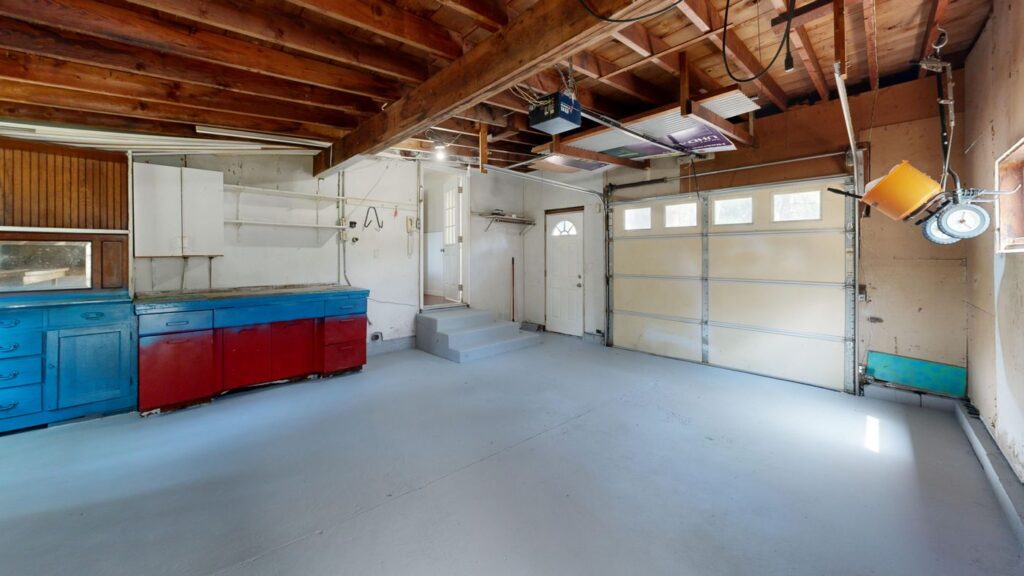
Not all coatings behave the same in the cold. Traditional epoxies are generally the most sensitive and cure slowly as temperatures drop. Many polyaspartic and polyurea systems are formulated to cure at lower temperatures and much faster, which gives them a real advantage for winter work. Our comparison of polyaspartic vs epoxy covers the other differences between them.
Even with a cold tolerant system, the product’s specific limits still apply. We choose the system based on the conditions we expect, not just the season.
How We Plan a Winter Install
- Watch the forecast. We look for a stretch of days where the slab and air stay in range through application and cure. The National Weather Service office in Memphis is our go-to for local forecasts.
- Measure on site. Slab temperature, air temperature, humidity, and dew point are checked before we start.
- Warm the space when needed. Closing the garage door and using safe heat can bring conditions up. We avoid unvented fuel-burning heaters, which add moisture and combustion byproducts to the air, both bad for coatings and people.
- Prep the same way as always. Grinding and repairs are not skipped in winter. Our post on why floors are ground before coating explains why.
- Adjust the timeline. Cure times run longer in cold weather, so we tell you when the floor is ready for foot traffic and vehicles based on actual conditions. Our post on how long a garage floor coating takes to cure covers typical ranges.
If conditions are not right on the scheduled day, we reschedule. A day’s delay is far better than a floor that fails.
Why Winter Is a Good Time to Coat
- Protection before salt and slush. When roads are treated during winter weather, cars carry salt and brine into the garage. That is hard on bare concrete and can cause surface flaking. A coated floor keeps it on top where it can be rinsed off.
- Easier scheduling. Spring is the busy season for garage floors, so winter often means more flexible dates.
- A finished garage for spring projects. Coat it in winter and it is ready when you want to organize, work on the car, or set up a gym.
Once the floor is in, winter care is simple. Use a mat or containment tray under the car to catch melting slush, and rinse or mop off salt residue when the weather clears.
Frequently Asked Questions
What is the lowest temperature for a floor coating?
It depends on the product. Each coating’s data sheet lists minimum air and surface temperatures, and some systems are rated for much colder conditions than others.
Can I use a space heater to help the coating cure?
Safe electric heat can help. Unvented propane or kerosene heaters are a bad idea because they add moisture and fumes. Let your installer manage the heating plan.
Will a cold snap after installation hurt my floor?
Once a coating has fully cured, normal winter temperatures are not a problem. The risk is during application and the first stage of curing, which is why we plan around the forecast.
Can a detached or uninsulated garage be coated in winter?
Often, yes, on the right days with the right system. Those garages track outdoor temperatures closely, so timing matters more.
How long will I be without my garage?
Plan on a longer window in winter than in warm weather, since curing slows in the cold. Fast curing systems help, and we give you a realistic timeline for foot traffic and parking based on the forecast for your install days.
Should I just wait until spring?
If your schedule is flexible and conditions are marginal, waiting can make sense. If you want the floor protected before winter weather arrives, a cold tolerant system on the right days is a solid option.
Want Your Garage Done This Winter?
Memphis Coatings Company installs garage floor coatings year-round across Greater Memphis and north Mississippi. Get a quote and we will find a window that works.