
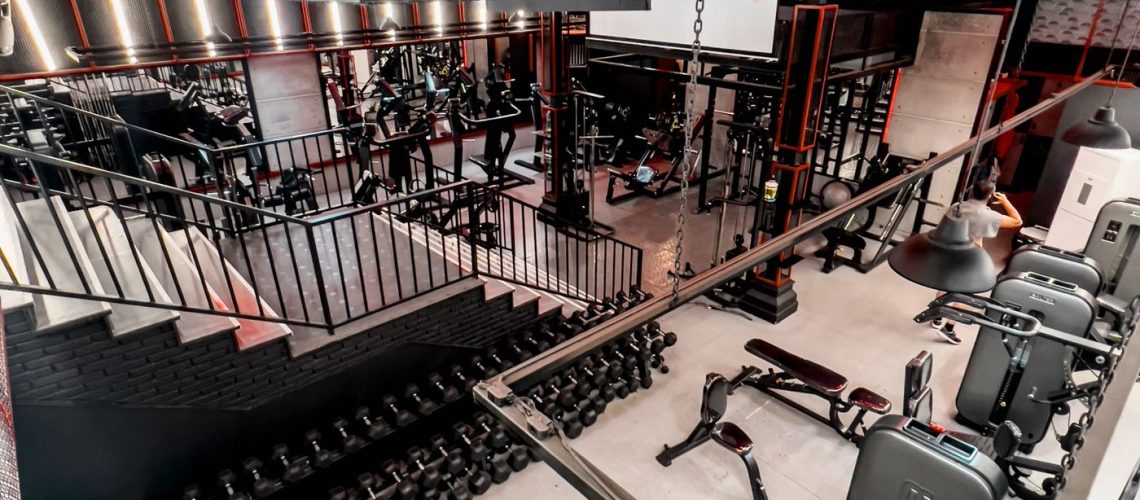
The best gym floor coating plan treats a fitness center as several different floors under one roof. A seamless resinous coating over concrete is the right answer for lobbies, cardio areas, hallways, locker rooms, and showers, because it seals out sweat and water, cleans in minutes, handles rolling equipment, and can be textured for traction where floors get wet. The free weight area is the exception. Dropped dumbbells and barbells need rubber matting or tiles to absorb impact, and the best version of that area puts the rubber on top of a coated slab so spills and cleaning water do not soak into the concrete underneath. Studios for yoga or dance usually want a softer surface of their own. Getting each zone right is what keeps a gym clean, safe, and looking sharp for years instead of months. Memphis Coatings Company coats fitness facilities, school weight rooms, and home gyms across Greater Memphis, and this guide walks through each zone and what to plan before an install.
Table of Contents
- Why Bare Concrete and Worn Carpet Fall Short
- Gym Floor Coating Zone by Zone
- Slip Resistance Where It Matters
- Choosing a Coating System
- Installing Without Closing for Weeks
- Keeping a Gym Floor Clean
- Frequently Asked Questions
Why Bare Concrete and Worn Carpet Fall Short
Many gyms open in older retail or warehouse spaces with bare concrete or tired carpet. Bare concrete is porous, so sweat, spilled drinks, and cleaning solutions soak in, leaving stains and odors that are hard to shake. It also sheds dust that ends up on equipment. Carpet holds moisture and bacteria and wears into paths under treadmills and in front of the front desk. Neither looks the way members expect a modern facility to look.
Gym Floor Coating Zone by Zone
Lobby and front desk
The first thing members see. A decorative flake or solid color coating in brand colors makes a strong impression and handles heavy foot traffic, tracked-in rain, and constant sweeping. Our flake floor finishes page shows the look.
Cardio and machine areas
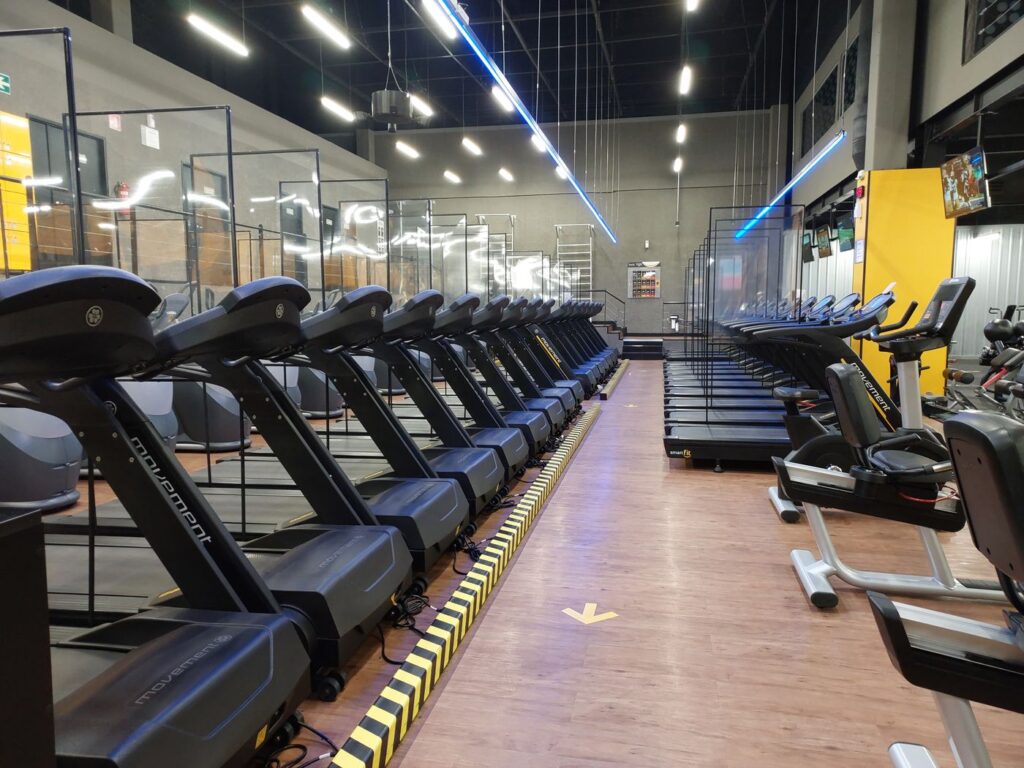
Treadmills, bikes, ellipticals, and strength machines sit on the floor for years and get moved for cleaning and rearranging. A coated floor handles the weight and rolling, and sweat wipes up instead of soaking in. Some gyms place thin equipment mats under machines, which works well on a coated floor.
Free weights and functional training
This is where rubber belongs. Dropped weights would chip or crack a hard coating and can damage the concrete. Thick rubber tiles or rolls absorb impact and protect both the weights and the slab. Coating the concrete first still pays off, since it keeps liquid that seeps between tiles from staining and soaking into the floor.
Locker rooms and showers
Wet, humid, and heavily cleaned. These areas need a seamless coating with a slip resistant texture and a cove base up the wall so water and grime cannot collect in the corners. Our locker room floor coatings page covers these spaces.
Hallways, offices, and storage
A simple solid color coating keeps back-of-house areas clean and easy to maintain.
Slip Resistance Where It Matters
Gyms mix wet shoes, sweat, spilled water bottles, and people moving fast. Resinous coatings can be made more slip resistant by adding texture to the topcoat, with more grip in locker rooms, entries, and around water fountains, and a smoother finish in dry areas where easy cleaning matters more. The National Floor Safety Institute’s site at NFSI.org covers why slips and falls are such a common problem in commercial spaces. Our post on whether epoxy floors are slippery explains how texture changes traction.
Choosing a Coating System
- Epoxy base with a durable topcoat. Builds a thick, seamless floor with strong adhesion. A tough topcoat adds wear and UV resistance.
- Polyaspartic. Cures quickly and holds color and gloss well, which is useful when downtime is limited.
- Flake or solid color. Flake hides dust and scuffs between cleanings. Solid color gives a clean, modern look in brand colors.
Before any system goes down, the slab needs a close look. Moisture moving up through concrete is a common reason coatings fail, especially in older buildings and slabs on grade. The American Concrete Institute publishes guidance on concrete and moisture, and we test and prep accordingly.
Installing Without Closing for Weeks
A gym that closes loses members. We plan installs in phases, one zone at a time, often overnight or over a weekend, and choose fast curing systems where downtime is tight. Equipment in each zone is moved out, the floor is ground, repaired, and coated, and equipment goes back once the coating has cured enough for the load. Tell us your slowest hours and days, and we will build the schedule around them.
Common Mistakes When Coating a Gym
- Coating the free weight area without rubber. Hard coatings are not built for dropped plates.
- Skipping moisture testing. Older slabs on grade can push moisture up and cause bubbling or peeling.
- Using the same smooth finish everywhere. Locker rooms and entries need more texture than cardio areas.
- Rushing equipment back. Heavy machines placed on a coating before it has cured enough can leave marks.
- Ignoring the entry. Without walk-off mats, grit and rain from the parking lot do the most damage in the first stretch inside the door.
Planning around those points up front is what separates a floor that looks good for years from one that needs attention in its first season. We walk every zone with the owner or manager before we quote so nothing gets missed.
Keeping a Gym Floor Clean
Dust mop or sweep daily to keep grit from scratching the finish, then damp mop with a neutral cleaner. Wipe up sweat and spills promptly, lift equipment when moving it instead of dragging it, and use walk-off mats at entries. Our guide on how to clean an epoxy floor covers what to use and what to avoid.
Frequently Asked Questions
Can I coat the floor under my free weight area?
Yes, and it is a good idea, but rubber still needs to go on top where weights get dropped.
Will a coating work for a home gym in the garage?
Yes. Many home gyms combine a coated garage floor with rubber mats in the lifting area. Our garage coating page covers the options.
Can you put our logo in the floor?
Custom colors and branded designs are possible in many systems. Ask us what fits your space.
How soon can members use the floor?
It depends on the system and conditions. Fast curing systems can return a zone to service quickly, and we give you a clear timeline for each phase.
Do you coat school weight rooms and athletic facilities?
Yes. Schools and colleges use the same zone approach, with rubber in lifting areas and coated concrete in locker rooms, hallways, and training rooms. Our school floor coatings page covers education facilities.
Is a coated floor right for group fitness studios?
Coated concrete is a hard surface, so studios for yoga, dance, or floor-based classes usually add a softer floor or mats on top. The coating still protects the slab underneath.
Ready to Upgrade Your Gym Floor?
Memphis Coatings Company installs gym and fitness floor coatings across Greater Memphis and north Mississippi. Get a quote and we will plan each zone with you.