
Can you coat a cracked garage floor? Yes, in almost every case. Hairline cracks, shrinkage cracks, spalled patches, and even cracks you can slip a coin into can all be repaired and coated in the same visit, and the finished floor hides them completely. The only cracks that stop a coating job are structural ones, where one side of the slab sits higher than the other or the crack is still growing, and those need a slab repair first. This guide covers how to tell the difference, what the repair looks like, and which coating holds up best on a Memphis slab that has already moved once.
Table of Contents
- The Short Answer
- Which Cracks Can Be Coated and Which Cannot
- Why Coating Over an Unrepaired Crack Fails
- How We Repair Cracks Before a Coating
- Can You Coat a Cracked Garage Floor That Is Also Uneven?
- What Memphis Soil Does to Garage Slabs
- Choosing a Coating That Handles Slab Movement
- How to Check Your Own Garage Floor Before the Estimate
- Frequently Asked Questions
The Short Answer
Nearly every garage floor we coat in the Memphis area has cracks in it before we start. Concrete shrinks as it cures, slabs settle over clay soil, and thirty years of hot tires and dropped tools leave their marks. So when a homeowner in Germantown or Southaven asks can you coat a cracked garage floor, the honest answer is that a cracked floor is the normal starting point, not a problem case.
What matters is the kind of crack. A surface crack that is stable gets ground open, filled with a rigid or flexible repair compound, ground flush, and coated over. A structural crack that is still moving, or that has one edge sitting higher than the other, needs to be addressed at the slab level before any garage floor coating goes down, or the crack will telegraph through the finish within a season.
Our crew has been repairing and coating slabs across the Memphis metro since 2018, and the sections below are the same checks we run on the estimate visit, so you can walk your own garage and know what you are looking at before we arrive.
Which Cracks Can Be Coated and Which Cannot
Concrete cracks fall into a few buckets, and each one gets a different answer to the question can you coat a cracked garage floor.
Hairline and shrinkage cracks: yes
These are the thin, random cracks, usually narrower than a credit card, that show up in the first year or two after a slab is poured. They come from the concrete losing water as it cures. They are stable, they do not go through the full slab thickness, and they are the easiest kind to fix. They get chased open with a crack chasing blade, filled, and coated.
Control joint cracks: yes
The straight lines cut into a slab are control joints, and their whole job is to give the concrete a place to crack neatly. A crack that has followed a joint is doing what it was designed to do. We fill the joint with a flexible polyurea joint filler so it can keep moving without breaking the coating above it.
Spalling and pitting: yes
Spalling is where the surface flakes off in patches, often from road salt carried in on tires or from a weak top layer on the original pour. Pitting is the small craters left behind. Both get ground down to sound concrete and filled with a cementitious or epoxy patch before the base coat, so the finished floor is flat.
Wide but stable cracks: yes, with the right filler
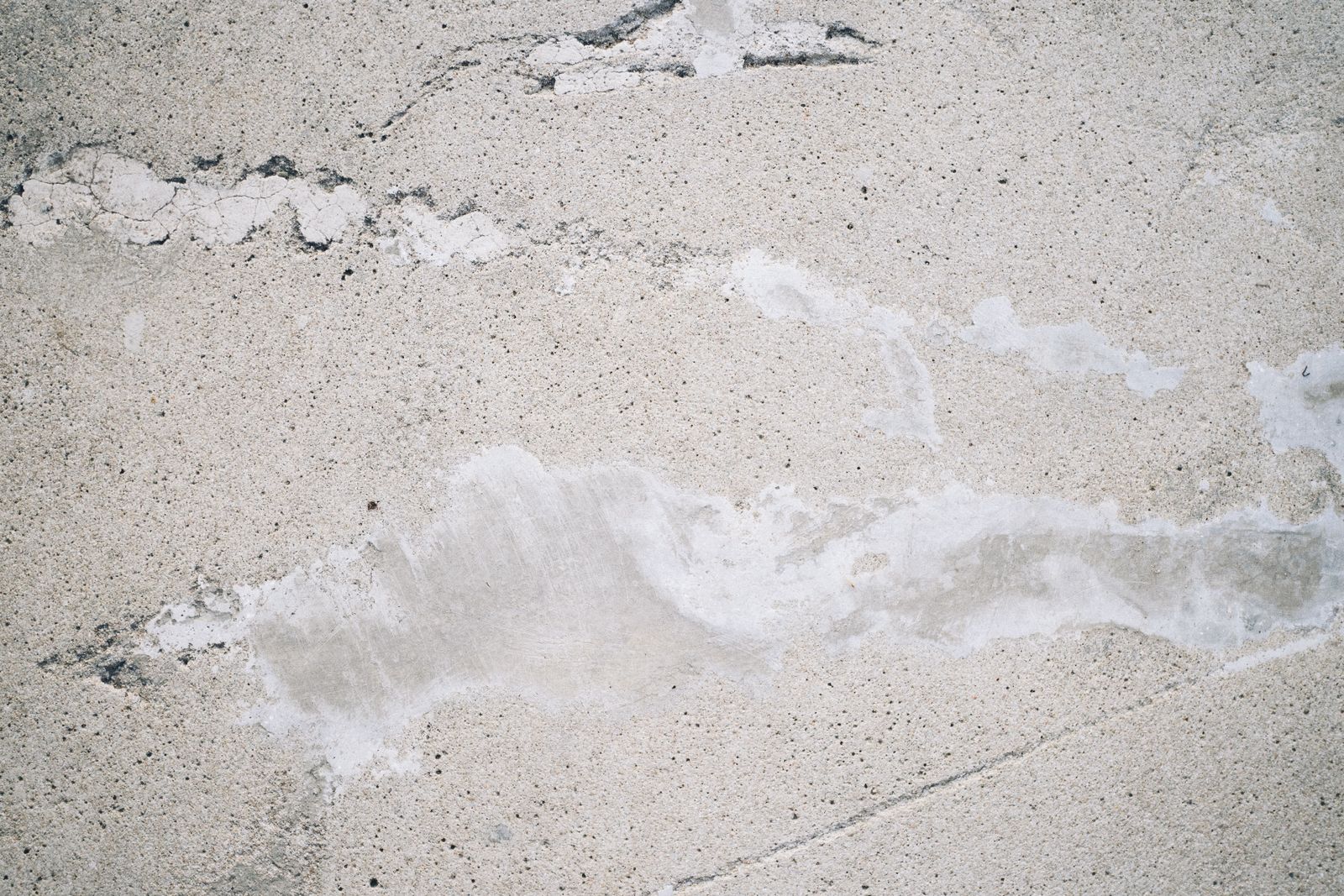
A crack you can fit a coin into is still coatable if both sides are at the same height and the crack has not grown in the last year. It gets a deeper repair, usually a two-part polyurea or epoxy crack filler with sand for bulk, and a grind to flush.
Structural and active cracks: not yet
A crack with a step in it, where one side is higher than the other, or a crack that keeps opening wider each year, is a slab problem, not a surface problem. Coating over it hides it for a few months and then the coating cracks right along the same line. The Concrete Network guide to evaluating concrete cracks is a good plain-English reference on telling active cracks from dormant ones. Those slabs need mudjacking, foam lifting, or in rare cases a partial repour before a coating makes sense, and we will tell you that on the estimate rather than coat over it.
Why Coating Over an Unrepaired Crack Fails
If a coating is thick and tough, why not just roll it over the crack? Because a coating bonds to the concrete on both sides of the crack and then has to bridge the gap between them. When the slab breathes with the seasons, the two sides move a fraction of a millimeter apart and back. A rigid coating cannot stretch that far, so it splits along the crack line. That is the single most common reason a hardware store kit floor shows a crack again by the first winter.
There is a second problem. An open crack is a path for moisture vapor from the soil under the slab. Vapor pushes up through the crack, collects under the coating, and lifts it. The bubble starts at the crack and spreads. Our post on why epoxy garage floors peel covers this in detail, and the fix is the same as the fix for the movement problem: open the crack, fill it with something that seals and flexes, and only then coat.
So when someone asks can you coat a cracked garage floor without repairing it, the answer is that you can, but you will be recoating it. Doing the repair adds an hour or two to the job and adds years to the floor.
How We Repair Cracks Before a Coating
Here is the repair sequence our crews run on a typical Memphis garage. It happens on the same day as the coating, before the base coat goes down.
- Diamond grind the whole slab. This opens the pores of the concrete for adhesion and exposes every crack, including the ones hiding under old paint or sealer.
- Chase each crack. A V-shaped crack chasing blade widens the crack slightly and cleans loose material out of it, so the filler bonds to solid concrete instead of dust.
- Vacuum and blow out. Any grit left in the crack becomes a weak spot.
- Fill. Hairline and shrinkage cracks get a fast-setting polyurea crack filler. Wider cracks and spalled patches get a sand-loaded epoxy or a polymer-modified patch. Control joints get a flexible joint filler that stays soft.
- Grind flush. Once the filler sets, usually in under an hour, it is ground level with the slab so it disappears under the coating.
- Moisture check. We test the slab for vapor drive before the base coat, because a slab that cracked from settling often has water under it.
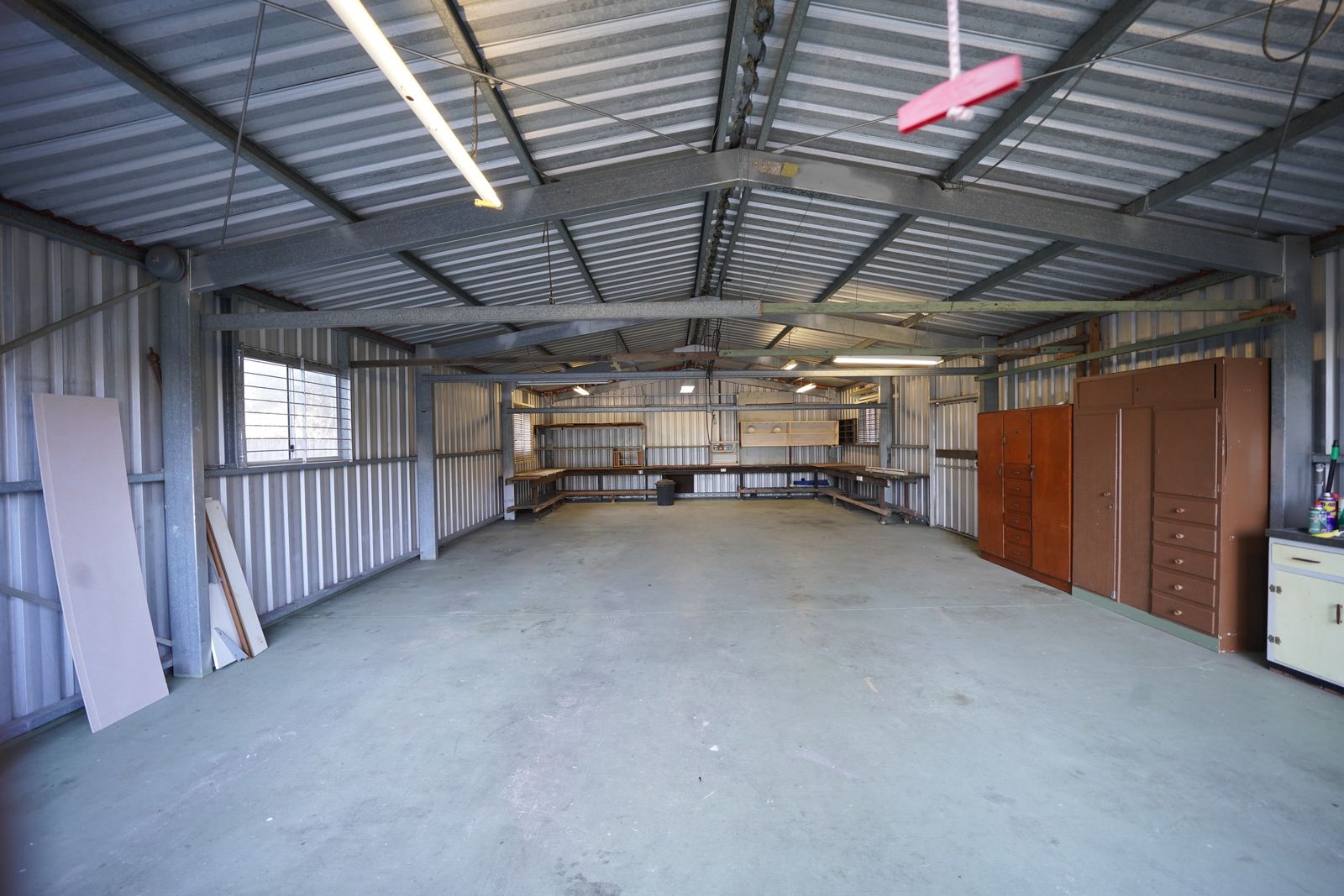
With that done, the slab is coated the same way as any other: base coat, decorative flake or solid color, clear topcoat. The full installation process is on our site if you want to see what the day looks like from start to finish. Most single and double garages, cracks and all, finish in one day with a polyaspartic system.
Can You Coat a Cracked Garage Floor That Is Also Uneven?
A cracked slab and an uneven slab often go together, because the same settling that opens a crack also tilts the concrete. Can you coat a cracked garage floor that also has low spots or a step at the crack? It depends on how much the slab has moved.
Low spots and dips of up to about a quarter inch across a few feet can be filled with a self-leveling underlayment or a thick epoxy base coat before the finish coats. Larger dips, or a step where one side of a crack is clearly higher, mean the slab itself has to be lifted or ground down. Polyurethane foam lifting is the usual answer in the Memphis area. It injects expanding foam under the low side to raise it back level, cures in minutes, and can be coated over once the slab has stabilized. We do not coat a stepped crack as-is, because the coating will fail at the step.
One more thing we check: if the garage floor drains toward a wall instead of toward the door, or holds water after a rain, that is a grading issue that a coating does not fix. A coating makes water easier to squeegee out, and a textured topcoat keeps the surface from getting slick when wet, which is why we get the question in are epoxy garage floors slippery so often.
What Memphis Soil Does to Garage Slabs
Shelby County and north Mississippi sit on clay-heavy soil, and clay swells when it is wet and shrinks when it is dry. A slab poured on that soil rides up and down with the seasons, and a summer drought followed by a wet fall is exactly the cycle that opens a new crack. Garages built on lots that were graded with fill dirt, common in newer subdivisions from Olive Branch to Arlington, are especially prone to settling cracks in the first five to ten years.
This is why we lean on flexible repair products and flexible coating systems on Memphis slabs more than a contractor in a sandier part of the country would. A rigid filler in a slab that moves will crack again. A flexible polyurea filler under a coating with some elongation will not. If you want the background on why slabs crack in the first place, the Concrete Network article on garage floor crack repair walks through the common causes and repair materials.
One last note on timing. Fall is the busiest season for crack repair in the Memphis area, because the cracks that opened during the dry summer are at their widest right before the rains come back. Repairing and sealing them before winter keeps water out of the slab through the freeze-and-thaw months, which is when an open crack does the most damage.
Choosing a Coating That Handles Slab Movement
Once the cracks are repaired, the coating you choose decides whether they stay hidden. Here is how the three systems on our floor coating finishes page compare on a slab that has cracked before.
- Epoxy. Strong, thick, and rigid. A 100 percent solids epoxy floor coating is a great base on a slab that has been stable for years, but on its own it has little give. We pair it with flexible crack fillers and a polyaspartic topcoat.
- Polyurea. The most flexible of the three, with high elongation, which means it can stretch over a crack that moves slightly without splitting. It is our first choice on slabs with a history of settling.
- Polyaspartic. Fast curing, UV stable, and flexible enough for most residential slabs. It is the topcoat on nearly every garage we do, and as a full system it handles hairline movement well.
The answer to can you coat a cracked garage floor, then, is not just yes. It is yes, with the crack repaired, the moisture checked, and a system chosen to match how much your slab moves. That combination is what lets a coated Memphis garage floor go a decade or more without the old cracks reappearing, and it is the same standard we apply to a basement floor coating or a commercial bay.
How to Check Your Own Garage Floor Before the Estimate
You do not need us on site to get a first read on your slab. Ten minutes with a flashlight, a tape measure, and a coin will tell you most of what the estimator will find, and it makes the conversation about can you coat a cracked garage floor much faster.
- Sweep and look. Cracks hide under dust and old paint. Sweep the floor, then walk it with a flashlight held low so the beam rakes across the surface and throws shadows into every crack.
- Measure the widest point. Slide a coin into the crack. A crack that will not take a dime is hairline. A crack that swallows a quarter is wide but still likely coatable if it is stable.
- Check for a step. Lay a straightedge across the crack. If it rocks, one side is higher than the other and the slab has moved. That is the one finding that changes the plan.
- Look for rust stains or white powder. Rust bleeding from a crack means the rebar or wire mesh inside the slab is corroding. White, chalky deposits mean water is moving up through the concrete and drying on the surface. Both point to moisture we will need to test for.
- Note the season the crack appeared. A crack that showed up after a dry summer and closed a little after fall rains is soil movement. One that stays the same size year round is shrinkage and is the easiest to repair.
Bring those notes to the estimate, or send us photos ahead of time, and we can usually tell you on the first call whether your floor is a same-day job or needs slab work first. Either way, you will get a straight answer before anyone quotes anything.
Frequently Asked Questions
Can you coat a cracked garage floor without repairing the cracks first?
You can, but the coating will crack along the same lines within a season and moisture will lift it from the crack outward. Repairing the cracks first is what makes the garage floor coating last.
Will the repaired cracks show through the finished floor?
No. Filled cracks are ground flush and covered by the base coat, flake, and topcoat, so the finished floor is one continuous surface. A solid-color finish hides repairs a little less than a flake finish, which our finishes page shows side by side.
How do I know if a garage floor crack is structural?
Look for a height difference between the two sides, a crack wider than a quarter inch, or a crack that has grown in the last year. Any of those means the slab is moving and needs a lift or repair before coating. Everything else is a surface crack we fix on installation day.
Can a coating stop a garage floor from cracking again?
A coating seals the surface and a flexible system can bridge tiny movement, but it does not stop the slab from settling. Fixing the cause, such as drainage or soil movement, plus a flexible repair is what keeps the floor looking new for the timeline in how long a garage floor coating lasts.
Have a Cracked Garage Floor in Memphis?
Memphis Coatings Company repairs and coats cracked, pitted, and worn garage slabs across Memphis, Germantown, Collierville, Southaven, and Olive Branch, usually in one day. Call (901) 930-5763 or request a free estimate on our garage floor coating page and we will tell you exactly which cracks need what before we quote the job.