
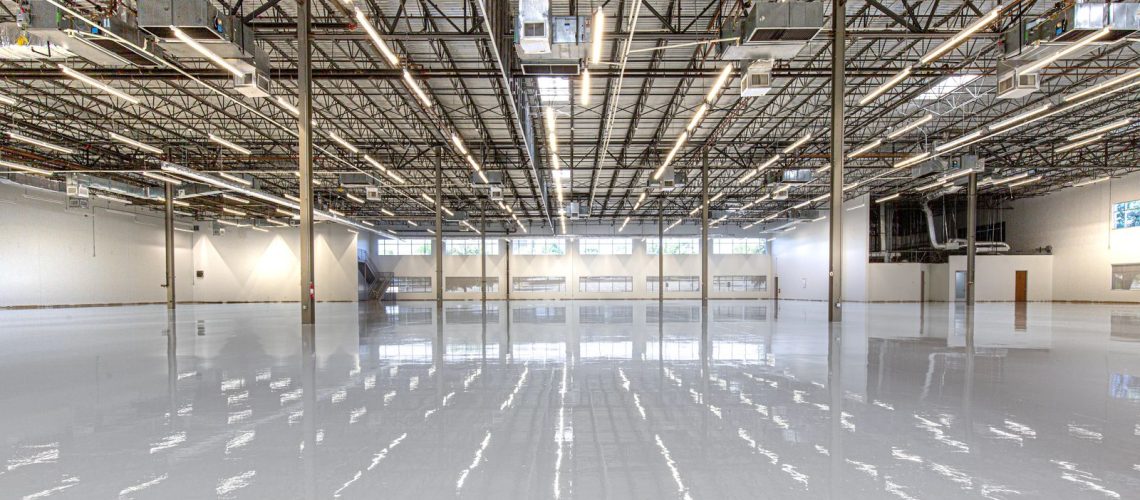
Are epoxy garage floors slippery? A bare, high gloss epoxy floor can get slick, but only once water, oil, dust, or pollen is sitting on top of it. Dry and clean, it grips about the same as the sealed concrete it replaced. Slipperiness is not a defect in epoxy. It is a finish decision, and it gets made long before the crew opens the first bucket.
That distinction matters, because it means you are not choosing between a good looking floor and a safe one. You get both by specifying the texture up front. Below is what actually causes the slick, what makes garages around Memphis harder on traction than most, six ways to build grip into a floor, and what can be done for a floor that is already installed.
Table of Contents
- Are Epoxy Garage Floors Slippery? The Short Answer
- Why a Smooth Coating Turns Slick the Moment It Gets Wet
- What Makes Memphis Garages Harder on Traction
- 6 Proven Ways to Win Back Grip on a Coated Floor
- How Floor Traction Is Actually Measured
- The Trade Off Between Grip and Easy Cleaning
- Can You Add Traction to a Floor That Is Already Down?
- Epoxy, Polyaspartic, and Polished Concrete Compared for Grip
- Habits That Keep a Coated Garage Floor Safe
- Frequently Asked Questions
Are Epoxy Garage Floors Slippery? The Short Answer
Epoxy cures into a hard, non porous film. Nothing soaks in. That is the whole point of the coating, and it is why a coated garage wipes clean while a bare slab drinks up every oil drip. The side effect is that liquid has nowhere to go, so it sits on the surface in a thin layer and your shoe rides on that layer instead of the floor.
So the honest answer to the question is conditional. Dry, a clean epoxy floor gives you normal footing. Wet, a bare gloss finish with no texture in it can be genuinely slick, and it will surprise you the first rainy morning you step out of the car. When a homeowner calls and asks are epoxy garage floors slippery, they are almost always standing on a floor that was installed with a smooth topcoat and nothing broadcast into it.
The fix is not exotic. Traction comes from texture, and texture is added during installation as aggregate, flake, or a textured topcoat. Every one of those options is available on a residential garage. They change how the floor feels underfoot and they barely change how it looks from across the room.
One more thing worth saying plainly: a floor being wet is not unusual in a garage. Cars carry rain in. Coolers leak. Somebody washes the truck. If a floor is only safe when it is dry, it is not really safe.
Why a Smooth Coating Turns Slick the Moment It Gets Wet
Friction between a shoe and a floor comes from two things: the roughness of the surface and the ability of liquid to escape from between the two. A smooth epoxy topcoat has almost no roughness and gives water nowhere to escape to. The water forms a film, the film separates rubber from resin, and the amount of grip left over is small.
Bare concrete behaves differently for two reasons. It has an open, sandy texture at the surface, and it is porous, so a thin film of water partly absorbs instead of pooling. That is why people notice the change immediately after a coating goes down. The floor did not get dangerous, it got sealed, and sealing changes how water behaves on it.
Water is not the only culprit. Three other things routinely turn a smooth floor slick:
- Fine dust and pollen. Dry powder on a smooth surface acts like tiny ball bearings. In spring this is the most common cause of a slip on an otherwise clean floor.
- Oil and automotive fluids. A film of motor oil or transmission fluid is far more slippery than water and much harder to see against a dark floor.
- Ice melt residue and road brine. Tracked in off winter roads, it leaves a wet, greasy film that stays after the water evaporates.
This is the part people miss when they ask, are epoxy garage floors slippery. The coating does not create the hazard. It removes the porosity and the surface roughness that used to hide it, so anything on the floor now stays on the floor.
What Makes Memphis Garages Harder on Traction
We install across the Memphis metro and north Mississippi, and the local conditions push harder on traction than they do in a lot of the country. That is a real part of why so many people around here end up asking are epoxy garage floors slippery in the first place.
Humidity is the big one. Warm, wet air rolling in off the Mississippi River valley meets a slab that has been sitting cool overnight, and condensation forms right on the surface. Your garage floor can be visibly damp on a morning it never rained. On a smooth gloss coating, that thin layer of condensation is enough to cost you footing.
Then there is what the cars drag in. Long, hard rains mean tires arrive soaked and standing water runs off in the parking area for a while after the door closes. The regional clay soil turns into a fine silt that dries to a powder on the floor. Spring pollen coats everything for weeks. Winter brings a handful of ice events, and with them the brine and salt residue off the roads.
None of that is a reason to skip a coating. Bare concrete in the same garage stains, dusts, and spalls under exactly these conditions. It is a reason to specify traction as part of the system instead of treating it as an upgrade. When we quote a garage anywhere in our Memphis service area, texture is part of the conversation, not an afterthought.
6 Proven Ways to Win Back Grip on a Coated Floor
Here are the six approaches that actually work, roughly in order of how often we use them on residential garages. They can be combined, and on most floors two of them are.
1. Broadcast a full flake or chip layer
Vinyl flake broadcast to refusal into the base coat gives the floor a subtle orange peel texture under the clear. It is the single most common way a garage floor gets traction, because the grip comes free with the look. A full broadcast also hides dust and tire marks between cleanings. Our chip and flake color blends all install this way, so you are choosing the color, not choosing whether to have texture.
2. Add aluminum oxide to the topcoat
Aluminum oxide is a hard, sharp mineral grit that gets suspended in the clear coat. It is nearly invisible once cured, holds its edge for years, and does not round off the way softer aggregates do. This is our default when a homeowner wants the smoothest looking floor they can get while still having real footing.
3. Broadcast silica sand or quartz
Sand or graded quartz broadcast into the coating builds a coarser, more open profile than aluminum oxide. It is the standard for wash bays, entry aprons, ramps, and any area that stays wet. Grip is excellent. The trade off is that it holds dirt, so it belongs where safety clearly outranks how easily the floor mops.
4. Use polymer or polypropylene grit
Polymer grit is softer underfoot than mineral aggregate and easier on bare feet, knees, and pet paws. It gives up some of the aggressive bite of aluminum oxide in exchange for comfort, which makes it a good pick for a garage that doubles as a gym or workshop.
5. Specify a satin or matte topcoat
Gloss level and slip resistance are not the same thing, but a satin finish scatters light and hides the water film that a mirror gloss shows off. More usefully, matte topcoats are often formulated with a fine matting agent that adds a small amount of surface texture on its own. Dropping the gloss is not a substitute for aggregate, but it stacks with it.
6. Zone the floor and texture only where it matters
You do not have to treat the whole slab the same. We regularly run a heavier aggregate in the first several feet inside the overhead door where wet tires park, then step down to a lighter texture through the rest of the bay where you walk in dry shoes. The visual difference is close to nothing. The difference underfoot on a rainy Tuesday is obvious. This zoning approach is one of the reasons a professionally installed epoxy garage floor system outperforms a kit from a big box store, where you get one texture across the whole floor or none at all.
How Floor Traction Is Actually Measured
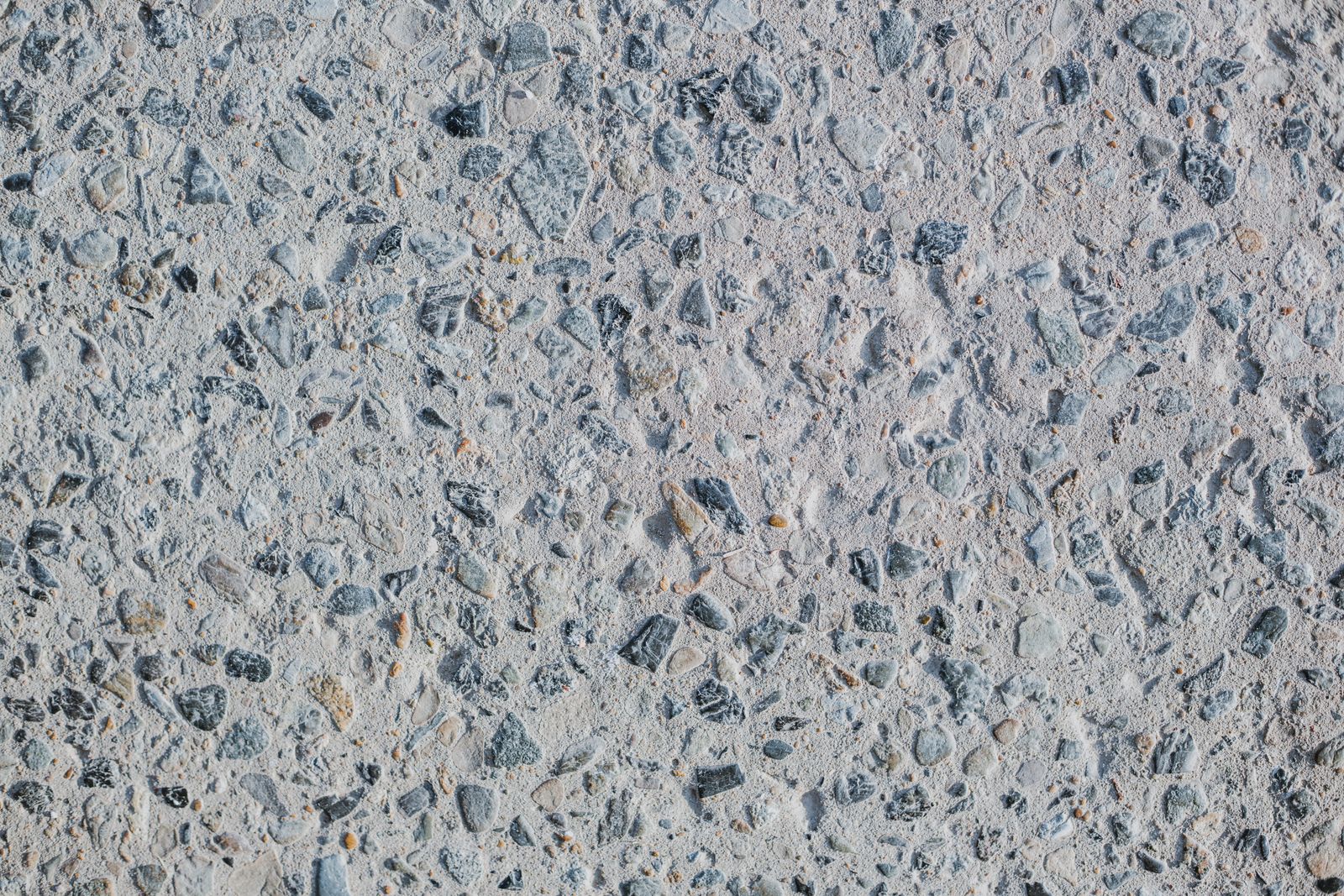
Traction is measurable, and it helps to know that the numbers exist, because it moves the conversation off adjectives. Floor safety is measured as coefficient of friction, tested wet, either static (the force needed to start a stationary object moving) or dynamic (the force needed to keep it moving).
The National Floor Safety Institute publishes the ANSI/NFSI B101 standards, which define the test methods for measuring wet static and wet dynamic coefficient of friction on hard surface flooring, along with a walkway auditing procedure and a labeling method so products can be compared on the same basis. If a manufacturer or installer is making a slip resistance claim, that is the framework it should trace back to.
For commercial and industrial work the requirement is not just a good idea. Under OSHA’s walking and working surfaces rule, employers have to keep floors clean, orderly, and to the extent feasible dry, maintain drainage where wet processes are used, and keep surfaces free of hazards including spills. A shop floor that turns into a skating rink whenever a hose runs is a compliance problem, not only a comfort one.
For a homeowner, none of this means you need a test report. It means the right question to ask an installer is not, are epoxy garage floors slippery in general. It is what texture they are putting in your specific floor, and why.
The Trade Off Between Grip and Easy Cleaning
Every bit of texture you add is a place for dirt to sit. That is the honest trade off, and any installer who tells you otherwise has not swept many floors.
A fine aluminum oxide additive is close to invisible in cleaning terms. You will not notice a difference between it and a smooth clear coat with a dust mop and a bucket. A full flake broadcast is slightly more textured and actually cleans easier in practice, because the pattern hides the light dust that a solid gloss floor puts on display. A heavy sand or quartz broadcast is the one that genuinely changes your routine. It grabs grit, and it wants a stiff brush or a floor machine rather than a mop.
The way we think about it: pick the lightest texture that solves the actual risk. A garage where two cars park and a family walks through does not need wash bay aggregate. A garage where somebody with a mobility issue comes in from the rain, or where a home gym sits next to a hose bib, is a different specification.
It is also worth knowing that texture does not wear off if the aggregate is inside the coating rather than sprinkled on top of a cured film. Broadcast into the wet coat and locked under a clear, it lasts as long as the floor does.
Can You Add Traction to a Floor That Is Already Down?
Most people who ask are epoxy garage floors slippery already have a floor down and want it fixed, not replaced. Good news: in most cases you do not have to tear it off. If the existing coating is well bonded and in good shape, the usual move is to scuff sand the surface, clean it thoroughly, and roll a new clear topcoat with aggregate suspended in it. That adds a real texture layer and refreshes the finish at the same time.
Two things have to be checked before anyone quotes that. First, the existing coating has to be sound. If it is flaking, bubbling, or lifting at the edges, adding a topcoat just puts a new layer on a failing one, and the whole assembly comes off together. Second, the new topcoat has to be chemically compatible with what is already down, which is a question of what was installed rather than a guess.
There are also non coating stopgaps worth mentioning honestly. Rubber mats inside the overhead door catch wet tires and shoes. A squeegee by the door takes standing water outside instead of letting it sit. Keeping the floor swept removes the dust film that causes a surprising share of slips. None of those are a substitute for texture in the coating, but they are free and they help today.
What we do not recommend is an aftermarket anti slip spray or wipe on treatment. On a non porous cured epoxy there is nothing for it to bite into, so it tends to sit on top, wear off in the tire tracks first, and leave you with uneven traction, which is arguably worse than uniform slickness because you stop expecting it.
Epoxy, Polyaspartic, and Polished Concrete Compared for Grip
People often assume the resin type decides the grip. It does not, at least not directly. Texture decides the grip. But the systems do behave differently in ways that matter in a garage.
- Epoxy. Thick, hard, and typically finished in high gloss, which is why it has the slippery reputation in the first place. It takes aggregate and flake broadcast extremely well, and a properly textured epoxy floor is not slick.
- Polyurea and polyaspartic. Faster curing and more flexible, with better UV stability, so the clear stays clear near an open door. Grip still comes from what is broadcast into it, but the faster cure window means the aggregate stays suspended more evenly instead of settling.
- Polished concrete. Beautiful in a showroom, and the slickest of the three when wet. A polished slab has been ground and densified to a smooth, reflective surface with no aggregate on top at all. In a residential garage that sees rain, it is usually the wrong call without a topical traction treatment.
So when someone asks us are epoxy garage floors slippery compared to a polyaspartic floor, the answer is that the difference between them is smaller than the difference between a textured floor and a smooth one in either material. Choose the resin for cure time, UV exposure, and how the space gets used. Choose the texture for safety. Our garage concrete coating systems get specified that way on every job.
Habits That Keep a Coated Garage Floor Safe
Texture built into the floor does most of the work. These habits handle the rest, and they cost nothing.
- Sweep or dust mop regularly. Dry dust and pollen on a smooth surface cause more near misses than water does.
- Wipe oil and fluid drips when they happen, not on the weekend. On a sealed floor they stay wet and spread under a tire.
- Put a mat or a runner where you step out of the driver door, which is the exact spot wet shoes hit the floor first.
- Keep a squeegee near the overhead door through the rainy months and push standing water out rather than letting it evaporate.
- Rinse off road salt and brine after a winter storm, because the residue stays greasy long after the water is gone.
- Skip wax and floor polish. A coated floor does not need it, and most of them reduce traction.
If your floor still feels unsafe after all of that, the coating itself is the problem and a textured topcoat is the answer.
Frequently Asked Questions
Are epoxy garage floors slippery when they are completely dry?
No. A clean, dry epoxy floor gives you normal footing, comparable to the sealed concrete it replaced. People who search are epoxy garage floors slippery are describing the wet condition, and the slick only shows up once water, oil, or fine dust is sitting on the surface, which is why texture matters more than gloss level. Every residential epoxy floor coating we install can be specified with aggregate or flake so the wet condition is covered too.
Does anti slip grit make the floor hard to clean?
A fine aluminum oxide additive makes almost no difference to cleaning, while a heavy sand or quartz broadcast genuinely holds dirt and needs a brush instead of a mop. The right approach is to use the lightest texture that solves the real risk in that specific space. We walk through that choice with every garage floor coating quote so you are not guessing.
Do flake floors need extra grit, or is the flake enough?
For most residential garages a full flake broadcast provides enough texture on its own, because the chips create a subtle raised profile under the clear coat. We add aluminum oxide on top of that when the floor sees a lot of standing water or when someone in the house has balance concerns. You can see how the different floor coating finishes compare before deciding.
Is a coated basement or patio slipperier than a garage floor?
Often yes, because both stay damp more of the time than a garage does. Basements deal with humidity and the occasional water event, and patios get rain directly, so both get a heavier texture than we would put in a typical parking bay. Our basement floor coating systems are specified with that in mind from the start.
Can an existing slippery epoxy floor be fixed without redoing it?
Usually, yes. If the current coating is well bonded and not flaking, the floor can be scuff sanded, cleaned, and recoated with a clear that has aggregate suspended in it, which adds real texture in a single visit. Many of our jobs go down in one day, and a topcoat like this is one of the faster ones. We will look at the floor first and tell you honestly whether it will hold a new topcoat, anywhere in the greater Memphis area.
Get a Floor That Grips When It Is Wet
If you came here asking are epoxy garage floors slippery because yours is slick after a rain, or you are planning a coating and want it right the first time, the fix is a texture decision, not a guess. Memphis Coatings Company has been coating garages, basements, patios, shop floors, and athletic surfaces across the Memphis metro and north Mississippi since 2018, from Germantown and Collierville to Southaven and Olive Branch. Tell us how the space actually gets used and we will spec the traction to match. Call (901) 930-5763 or request a free quote.