
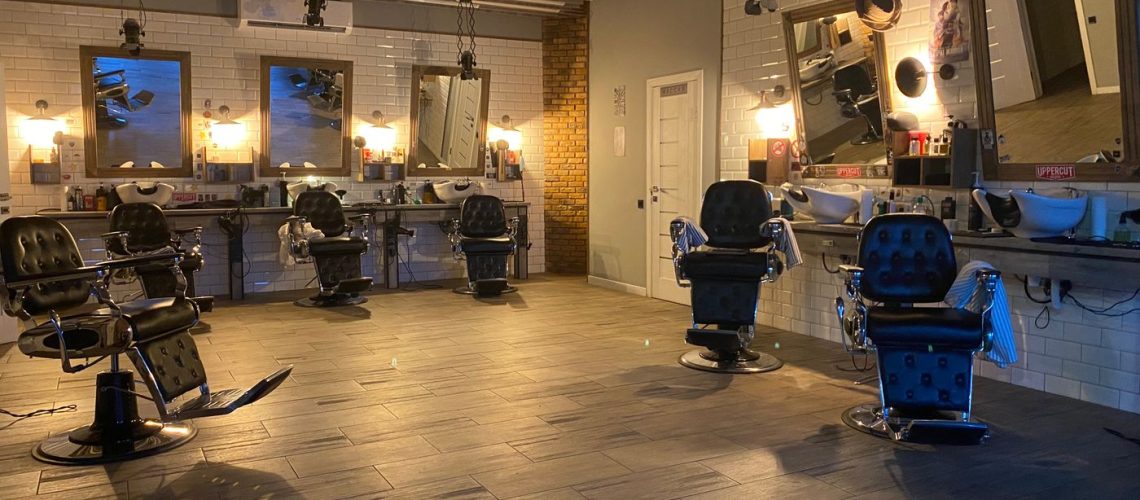
A salon floor coating holds up best when it is a seamless resinous system with a chemical resistant topcoat, a finish that hides minor wear, and extra traction around the shampoo bowls. Salon floors take a beating that most commercial floors never see. Hair color and toner drip and stain. Bleach and developer splash. Acetone and polish remover spill at nail stations. Hydraulic chairs pivot in the same spot hundreds of times a week, and rolling stools scoot across the floor all day. Then there is the hair, which has to be swept up after every client. Vinyl plank lifts and stains at the seams, grout lines trap color and hair, and bare concrete soaks up every spill. A good coating gives you one continuous surface that sweeps clean, wipes up easily, and still looks sharp in the photos clients post from your chair. Memphis Coatings Company installs salon and spa floors across Greater Memphis and north Mississippi, and this guide covers what a salon floor has to handle, which finishes work, and how to install without losing a week of bookings.
Table of Contents
- What a Salon Floor Deals With Every Day
- Why Common Salon Floors Wear Out
- What Makes a Good Salon Floor Coating
- Choosing a Look
- Installing Without Closing for Long
- Daily Care
- Frequently Asked Questions
What a Salon Floor Deals With Every Day
- Color and toner. Drips from bowls and brushes stain porous floors almost instantly.
- Bleach, developer, and chemical treatments. These can etch or discolor weaker surfaces.
- Solvents. Acetone and nail polish remover dissolve or soften some finishes.
- Water. Shampoo stations splash all day, which makes those areas slippery.
- Hair. Fine clippings work into grout lines, seams, and textured surfaces.
- Chairs and stools. Heavy hydraulic chair bases and rolling stools wear paths into softer floors.
Salon chemicals are also a reason to think about ventilation and safety in general. OSHA has pages on hazards in hair salons and nail salons that are worth a read for any owner.
Why Common Salon Floors Wear Out
Vinyl plank and sheet vinyl are popular because they look good on day one, but seams collect hair and color, edges lift around wet areas, and chair bases can tear or dent the surface. Tile holds up to chemicals, but grout lines stain and trap hair, and regrouting is a messy job. Bare or sealed concrete stains from the first drop of color. Polished concrete is a strong option in many retail settings, as our post on polished concrete for retail floors explains, but it is still more vulnerable to dye stains than a coated surface.
What Makes a Good Salon Floor Coating
A seamless surface
No grout, no seams, no edges to lift. Hair and product sweep straight off, and spills stay on top where they can be wiped up.
A chemical resistant topcoat
The topcoat is what touches the dye, bleach, and acetone, so it matters most. We choose a topcoat with resistance to the chemicals your salon uses and recommend wiping spills promptly rather than letting them sit. Tell us your service mix, especially if you do a lot of color or nails, and we will match the system to it.
Traction in wet areas
Adding texture to the topcoat around shampoo bowls and entries improves grip for stylists who are on their feet all day. Dry areas can stay smoother for easier sweeping.
Durability under chairs
A properly bonded coating handles hydraulic chair bases and rolling stools without denting or tearing.
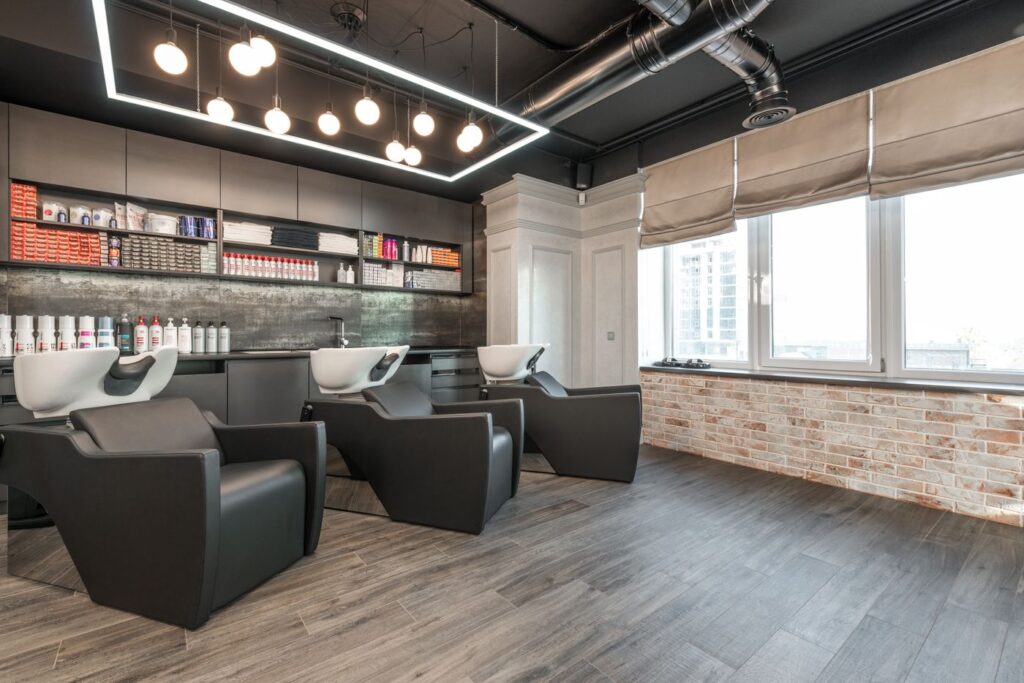
Choosing a Look
Your floor is part of your brand. The two main directions are:
- Solid color. Clean and modern, from bright white to deep charcoal. Lighter colors show hair and color drips more, which some owners like because it prompts quick cleanup. Our solid color floors page shows options.
- Flake. Decorative flakes broadcast into the coating add texture and hide small drips and wear between cleanings. See our flake finishes.
Gloss level matters too. High gloss looks dramatic and reflects light, while satin finishes hide scuffs and swirl marks from chair bases. If you are deciding between a coating and polished concrete, our comparison of polished concrete vs epoxy lays out the trade-offs.
Installing Without Closing for Long
Every day closed is lost revenue. We plan salon installs around your slowest days, often starting after close and using fast curing systems to shorten downtime. Stations, chairs, and retail displays need to be moved out, and plumbing fixtures at shampoo bowls may need to be detached so the coating can run cleanly underneath. Ventilation is planned into the install, and we give you a clear timeline for when the floor is ready for furniture and clients. Many owners pair a new floor with a refresh of stations or paint, so tell us if other work is happening.
Daily Care
- Sweep hair after each client and dust mop at close.
- Wipe color, bleach, and acetone spills right away.
- Damp mop with a neutral cleaner rather than harsh or acidic products.
- Use chair mats or pads where chair bases pivot constantly, if you want extra protection.
Our guide on how to clean an epoxy floor covers what to use and what to avoid.
Questions to Ask Before You Pick a Salon Floor
- What services do you do most? A color-heavy salon has different priorities than a nail studio or a barbershop.
- Where does water land? Shampoo stations, pedicure chairs, and laundry areas need the most traction.
- What sits on the floor? Hydraulic chair bases, pedicure chairs, and rolling carts all put different demands on the surface.
- What is under the current floor? Removing vinyl or tile and fixing the concrete underneath affects the timeline.
- How long can you close? That decides which system and schedule make sense.
Having those answers ready speeds up the estimate and makes sure the floor is built for how your salon actually works, not for a generic commercial space.
Frequently Asked Questions
Will hair dye stain a coated floor?
A good topcoat resists staining far better than concrete, vinyl, or grout, especially when drips are wiped promptly. Dye left to sit for long periods can mark any surface.
Can acetone damage the floor?
Some finishes are sensitive to solvents. We choose a topcoat suited to nail stations and recommend wiping spills quickly.
Can you coat over my existing tile?
It depends on the tile and its condition. In many cases removing it to reach the concrete gives the best result. We assess it on site.
Does this work for barbershops and spas?
Yes. The same needs apply to barbershops, spas, and grooming salons.
Can the floor match our brand colors?
Solid color systems come in a wide range of colors, and flake blends can be chosen to complement your palette. We bring samples so you can compare them in your space.
Is a coated floor comfortable to stand on all day?
Any hard floor is tiring over a long shift. Many stylists use anti-fatigue mats at their stations, which work well on a coated floor and can be moved for cleaning.
Ready for a Floor That Keeps Up With Your Salon?
Memphis Coatings Company installs salon floor coatings across Greater Memphis and north Mississippi. Get a quote and we will match the system to your services and your style.