
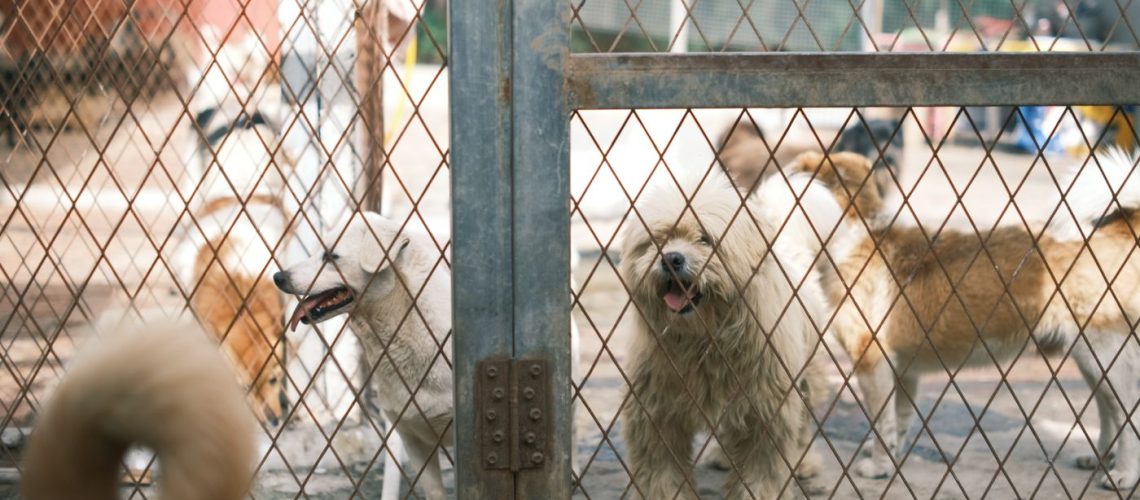
The best kennel floor coating is a seamless, non-porous resinous system with a textured finish for traction, a cove base that runs up the wall, and a chemistry rated for the disinfectants and hot water washdowns your facility uses every day. Bare concrete is the problem most kennels, boarding facilities, groomers, shelters, and vet clinics are trying to solve. It is porous, so urine, water, and cleaning chemicals soak into it, and once they are in the slab no amount of mopping gets them back out. That is where the lingering odor comes from, and it is why staff can scrub a run for twenty minutes and still smell it the next morning. A properly installed coating seals the concrete, gives waste and water nowhere to hide, and turns cleaning into a quick hose-and-squeegee job. Memphis Coatings Company installs kennel and animal care floors across Greater Memphis and north Mississippi, and this guide covers what a kennel floor has to do, which systems fit, and what to plan before an install.
Table of Contents
- Why Bare Concrete Fails in a Kennel
- What a Kennel Floor Coating Has to Do
- Coating Systems That Fit Kennels
- Details That Make or Break the Floor
- Planning an Install Around Animals
- Keeping the Floor Clean
- Frequently Asked Questions
Why Bare Concrete Fails in a Kennel
Concrete looks solid, but it is full of tiny pores and capillaries. In a kennel, those pores take in urine, water, and whatever is in the mop bucket. Over time that leads to a few predictable problems.
- Odor that will not leave. Waste that soaks into the slab keeps releasing smell, especially in warm, humid Memphis summers.
- Harder sanitation. A porous surface gives bacteria places to live that a mop cannot reach.
- Surface breakdown. Constant water, harsh chemicals, and scraping wear the top of the concrete into a rough, dusty surface that is even harder to clean.
- Stains. Discoloration spreads through the concrete and makes a facility look older than it is.
Sealers help for a while, but they are thin and wear through quickly under daily washdowns. A true coating system builds a durable layer on top of the concrete instead.
What a Kennel Floor Coating Has to Do
- Seal completely. The surface has to be non-porous so waste and water sit on top where they can be cleaned away.
- Stand up to chemicals. Kennels disinfect constantly. The coating has to handle the products you use without softening, staining, or dulling. The EPA maintains lists of EPA-registered disinfectants, and it is worth knowing exactly which ones your staff use so the floor system can be matched to them.
- Provide traction. Wet, smooth floors are slippery for both paws and people. A textured finish gives grip without being so rough that it traps dirt or scrapes pads.
- Handle water and heat. Hot water washdowns and pressure washing are part of the routine in many facilities.
- Resist scratching. Claws, crates, carts, and dropped bowls are constant.
Coating Systems That Fit Kennels
Epoxy with a durable topcoat
Epoxy bonds strongly to properly prepared concrete and builds a thick, seamless layer. For kennels, it is typically topped with a tougher, chemical resistant topcoat and a texture additive for slip resistance. It is a common, reliable choice for runs, grooming rooms, and hallways.
Polyaspartic and polyurea systems
These cure much faster than traditional epoxy, which matters when a facility cannot close for long. They also hold color and gloss well. Our comparison of polyaspartic vs epoxy explains the differences in more detail.
Urethane cement
Urethane cement systems are built for harsh wet environments with frequent hot water cleaning and temperature swings. They are often used in commercial kitchens and food plants for the same reasons they work well in heavy-use kennel areas. Our post on floor coatings for commercial kitchens covers how they perform.
The right choice depends on how your facility cleans, how much downtime you can take, and the condition of the concrete. We look at all three before recommending a system.
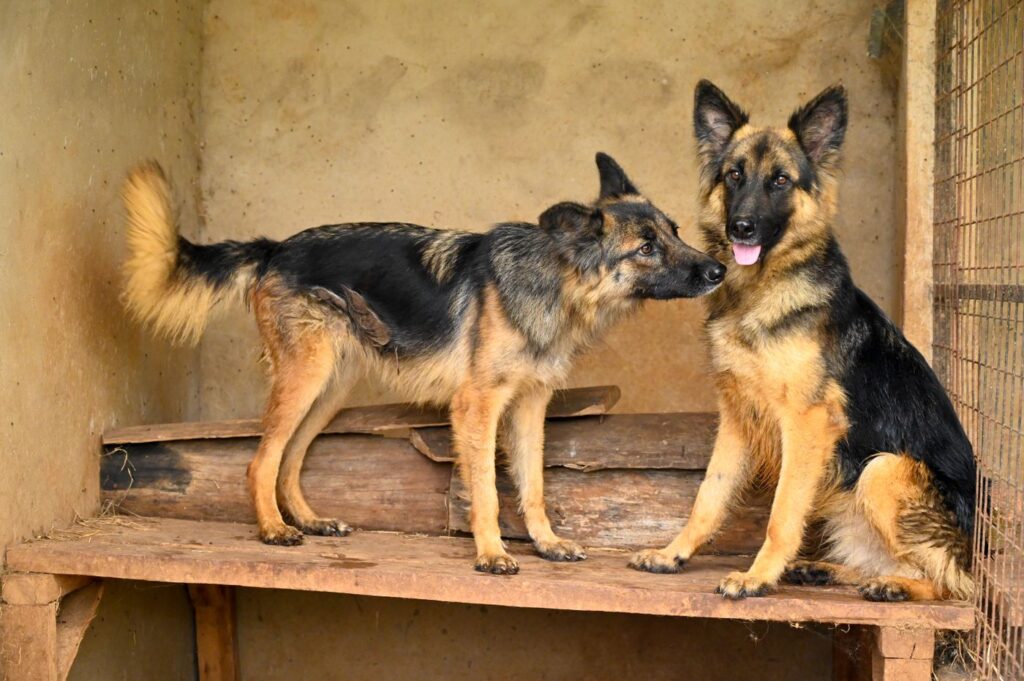
Details That Make or Break a Kennel Floor Coating
Cove base
The joint where the floor meets the wall is where waste and water collect. A cove base carries the coating a few inches up the wall in a smooth curve, so there is no seam to trap anything and a squeegee can clear the corner in one pass. In kennel runs, it is one of the most important details of the whole job.
Drains and slope
Water should run to the drains, not sit in low spots. Coating does not fix a floor that slopes the wrong way, but the prep stage is the time to address minor low areas and to detail the coating neatly into drain bodies.
Surface preparation
Concrete that has absorbed years of waste and cleaners has to be properly cleaned and ground before coating, or the new floor will not bond well. Our post on why concrete is ground before coating explains the process, and the same principle applies to kennels. Cracks and damaged areas are repaired at this stage too.
Texture level
More texture means more grip but more effort to clean. We match the texture to each area, often with more grip in runs and wash areas and a smoother finish in offices and reception. OSHA’s walking-working surfaces standards are a reminder that slips are a real workplace hazard for staff on wet floors.
Planning an Install Around Animals
Most facilities cannot shut down completely. We plan installs in phases, one wing or group of runs at a time, so animals can be moved to another area while the work is done. Faster curing systems shorten each phase. We also plan for ventilation during the install and make sure each area is fully cured before animals return. Tell us your occupancy patterns and slow periods, and we will build the schedule around them.
Keeping the Floor Clean
A coated floor makes cleaning faster, but the right routine keeps it looking good for years. Remove solid waste first, rinse, apply your disinfectant at the correct dilution and contact time, then rinse and squeegee to the drain. Avoid mixing chemicals, use soft or medium brushes rather than wire, and check with us before switching to a new cleaning product. Our guide on how to clean an epoxy floor covers general care that applies here too.
Frequently Asked Questions
Will a coating get rid of existing urine odor?
Proper cleaning and grinding remove much of the contaminated surface, and the coating then seals the slab. Severely saturated concrete may need extra prep, which we assess on site.
Is a coated floor safe for dogs’ paws?
Yes, once fully cured. We choose a texture that gives grip without being abrasive.
Can we coat the walls of the runs too?
A cove base covers the lower wall, which is where most splash and waste lands. Full wall coatings are a separate discussion depending on the wall material.
Does this work for grooming salons and vet clinics?
Yes. The same needs apply: sealed, sanitary, slip resistant, and chemical resistant.
Ready for a Floor That Cleans Up in Minutes?
Memphis Coatings Company installs kennel floor coatings and other commercial floor coatings across Greater Memphis and north Mississippi. Get a quote and we will look at your facility and your cleaning routine.